
Sustainability
Upcycling Old Charity Shop Finds into New Treasures
Transform worn-out charity shop clothing into useful bags, cushion covers, and home décor. We show you what to look for and simple project ideas that anyone can do.
Why Charity Shops Are a Goldmine for Crafters
Charity shop finds aren't just cheap — they're perfect for upcycling projects. You'll find quality fabrics, interesting patterns, and unique textures that you simply can't source elsewhere. The real skill isn't buying; it's seeing potential in what others have discarded.
We've been teaching textile crafts for nearly two decades, and the best projects always start with a good find. It's honestly the most satisfying part of the whole process — hunting through racks, spotting something worn but wonderful, and imagining what it could become.
£1-5
Average charity shop price for quality pieces
2-3 hours
Typical time for a simple bag project
Zero waste
Scraps become binding, stuffing, or next project
What to Look For When Shopping
Not everything in a charity shop works for upcycling. You're hunting for specific qualities that'll survive cutting, sewing, and daily use.
Natural fibres or strong blends
Cotton, linen, wool blends hold up better than synthetics. Feel the weight — heavier fabric means better quality.
Minor damage is fine, major isn't
Small holes or stains in areas you'll cut away? Perfect. Seam splits or widespread wear? Skip it. You'll waste time fixing instead of creating.
Interesting patterns and colours
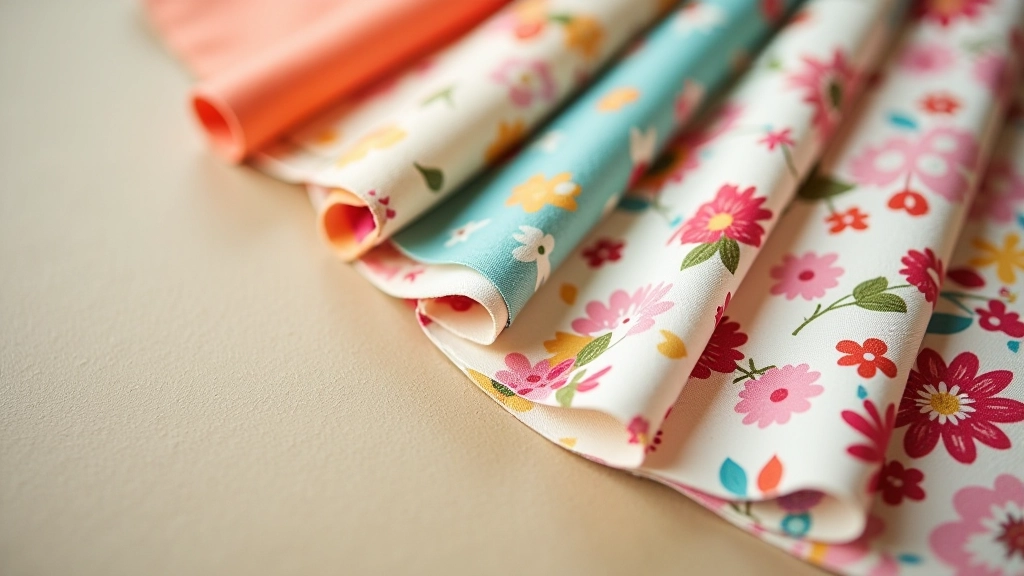
Vintage florals, bold stripes, interesting textures — these become character in your finished piece. Plain fabric is cheaper new.
Enough usable yardage
A small dress might only give you 0.5 metres of usable fabric. That's fine for a small pouch, but not a tote bag.
Three Simple Projects to Start With
Project 1: Simple Tote Bag
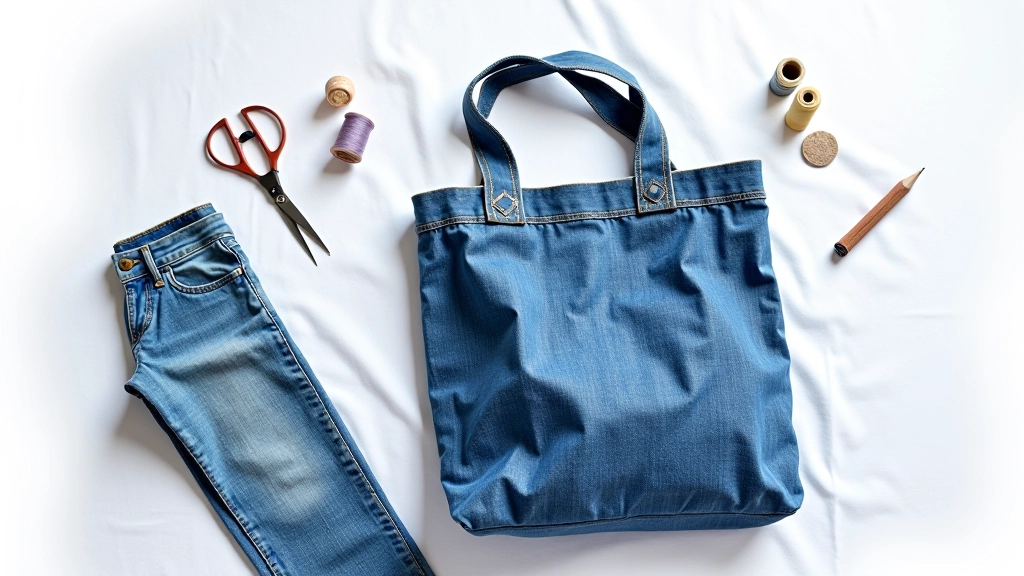
This is the easiest starting point. You'll need an old pair of jeans or a large dress with at least 0.75 metres of usable fabric. Cut two rectangles (approximately 35cm × 40cm), add two strips for handles, and sew three sides. It's literally just straight lines — no zips, no complicated seams. Most people finish this in an afternoon.
Project 2: Patchwork Cushion Cover
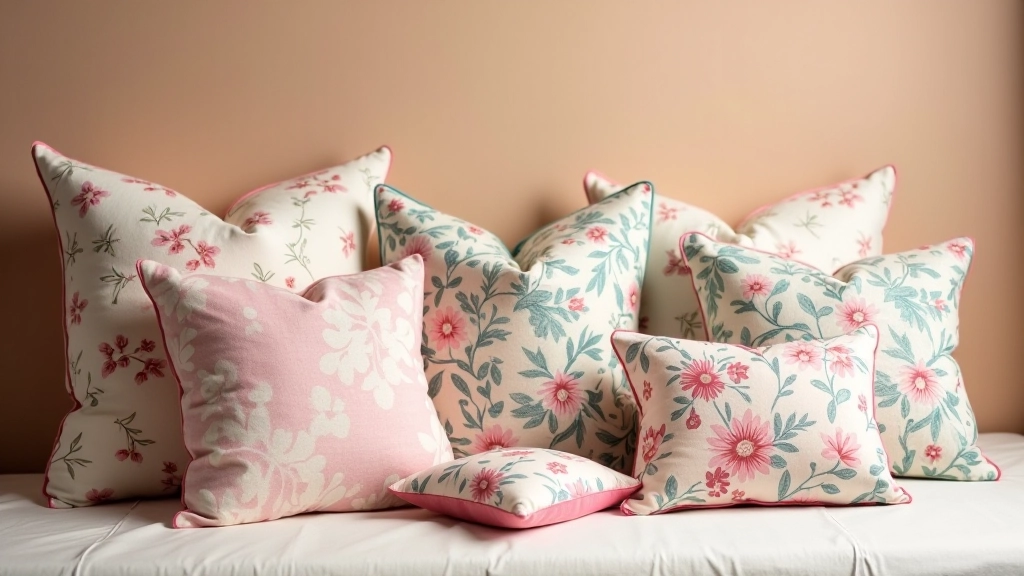
Got scraps from several projects? Combine them into one unique cushion cover. You're cutting small squares (10cm × 10cm), arranging them in a grid, and sewing them together. The randomness looks intentional and interesting. Plus, if you mess up one square, it just looks like part of the design.
Project 3: Fabric Bowl from Scraps
This one's different — you'll make a stiffened fabric bowl using fabric stiffener and an oven. Cut strips of fabric, dip them in stiffener solution, and mould them over an oven-safe bowl. Once dry, you've got a decorative storage piece. It takes about 20 minutes of active work plus drying time.
Important Note
This guide is for educational purposes and provides general guidance on upcycling techniques. Results vary based on fabric quality, skill level, and project complexity. Always test fabric before committing to a full project — some vintage fabrics are delicate or have been stored in conditions that affect durability. If you're new to sewing, start with these simpler projects before attempting more complex garment construction.
Essential Techniques for Success
You don't need fancy skills for most upcycling projects. These three techniques will cover about 90% of what you'll do.
1
Unpicking and Pressing
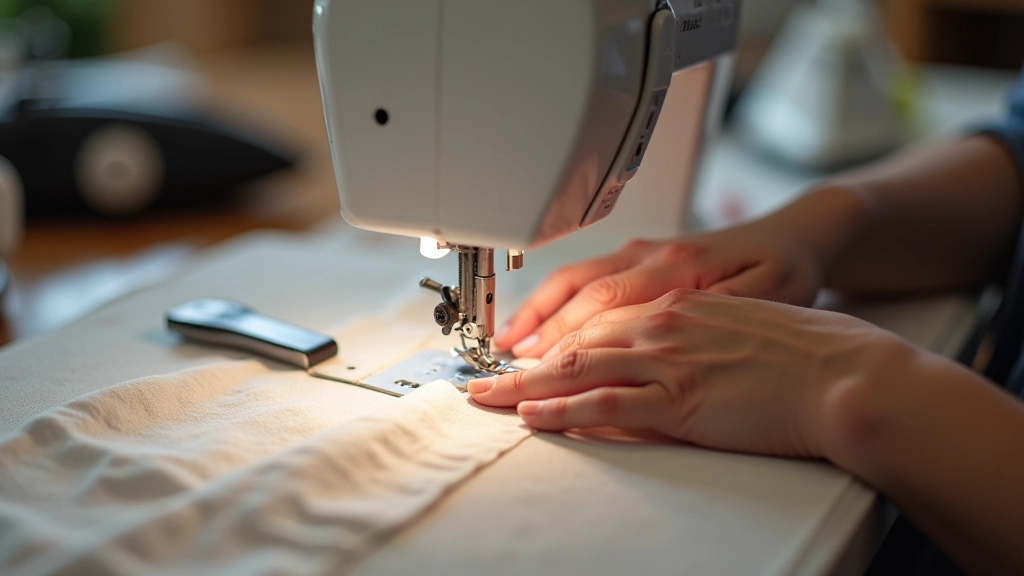
Carefully remove original seams using a seam ripper. This takes patience but gives you flat pieces to work with. Always press fabric after unpicking — wrinkles hide damage and make cutting inaccurate.
2
Careful Cutting Around Damage
Plan your cuts to avoid stains, holes, or worn areas. Make a rough sketch on the back before cutting. This is where your finding skills matter most — the better the piece you chose, the less waste you'll have.
3
Finishing Edges Properly
Raw edges on bags and cushions will fray. Use a zig-zag stitch or binding tape to finish them. It adds about 15 minutes to a project but makes the difference between "homemade" and "handmade."
Start Your Upcycling Journey Today
The best part about upcycling isn't just the finished product — it's knowing you've created something unique that wouldn't exist otherwise. You're not following a pattern that thousands of others made; you're making something genuinely one-of-a-kind.
Head to your nearest charity shop this week. Spend 20 minutes looking specifically for the things we've talked about. You'll probably find something. Bring it home, spend an afternoon on one of these simple projects, and you'll have a bag or cushion that's completely yours. That's the magic of upcycling.