Fabric Sourcing Guide
Smart Fabric Sourcing at Car Boots and Markets
Learn what to hunt for at car boot sales, how to spot quality fabric, negotiate prices, and build a collection of bargain materials for future projects.
Why Car Boots Are Gold for Sewers
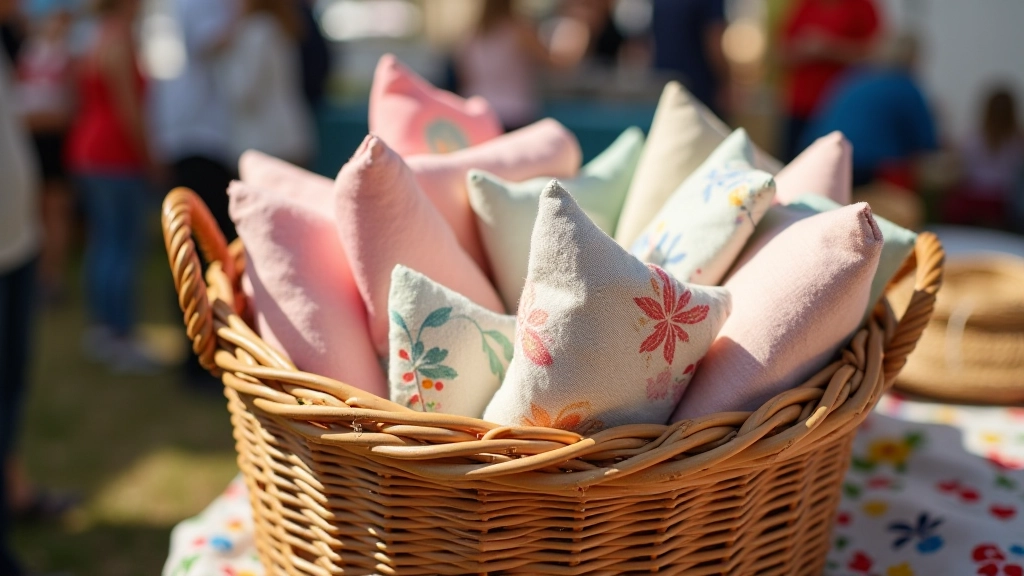
Car boot sales and markets aren't just treasure hunts — they're fabric goldmines. You'll find vintage cotton prints, quality linen, heritage weaves, and designer remnants at a fraction of shop prices. The real skill? Knowing what's worth buying and what to pass by.
We've spent years hunting through stalls, learning from sellers, and building fabric collections on a budget. It's not random luck — there's a system. In this guide, you'll discover the same techniques we use to spot quality materials, spot fair prices, and negotiate with confidence. Whether you're stocking up for a specific project or building your long-term fabric stash, these strategies will transform how you approach car boot shopping.
What Actually Sells at Car Boots
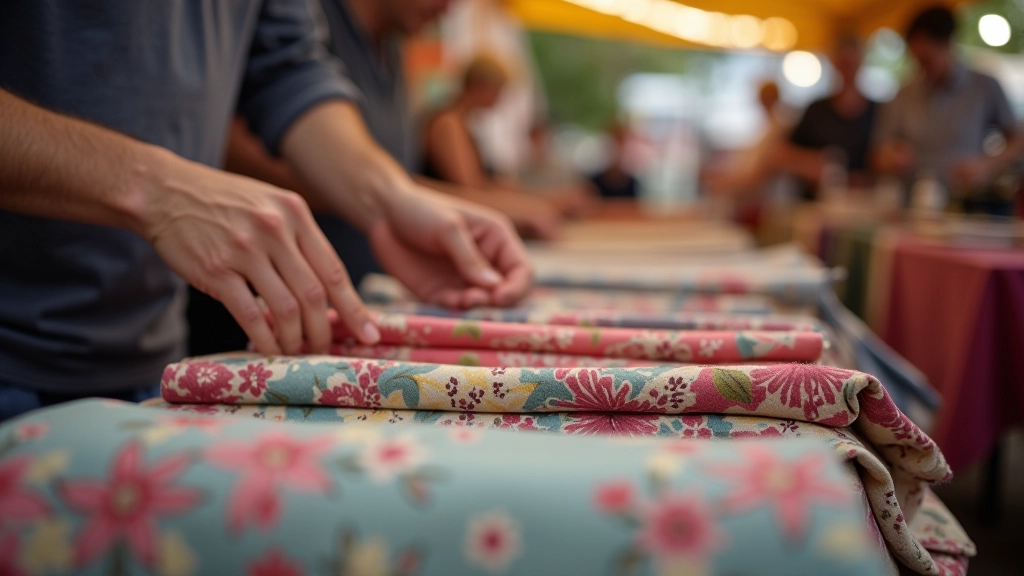
Most sellers at car boots haven't researched their fabric stock. That's your advantage. They're clearing out house contents, moving between homes, or downsizing fabric collections — often without understanding what they have.
Here's what shows up regularly:
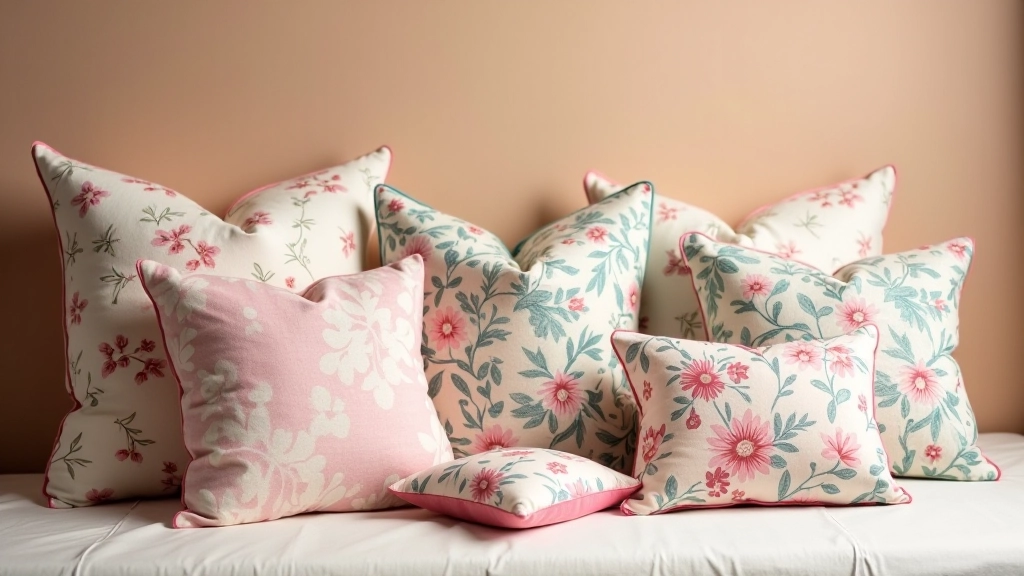
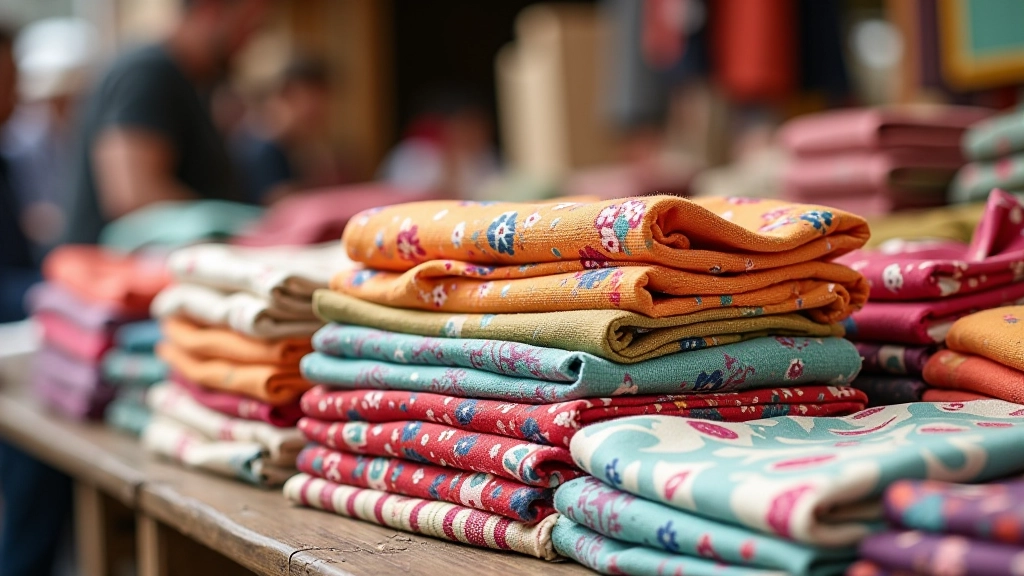
- Vintage cotton prints from the 1950s–1980s (floral, gingham, novelty prints)
- Linen and linen-blend remnants, often in neutral tones
- Quilting cotton bundles from estate clearances
- Upholstery-weight fabrics, heavy weaves, and brocades
- Designer brand offcuts and mill ends (Sanderson, Designers Guild, Liberty)
- Bed sheets and duvet covers (often good for lining or backing)
Don't expect to find brand-new fabric at shop prices. Instead, look for condition, weight, and usability. A faded vintage print with perfect structure is better than pristine modern fabric that's flimsy.
About This Guide
This article provides educational information about fabric sourcing at car boot sales and markets. Actual availability, prices, and quality vary significantly by location and seller. We recommend always inspecting fabric thoroughly before purchase, testing for colour fastness if you're unsure, and asking sellers about fabric content when possible. Vintage and second-hand textiles may have wear, stains, or damage that affects usability.
How to Spot Quality Fabric
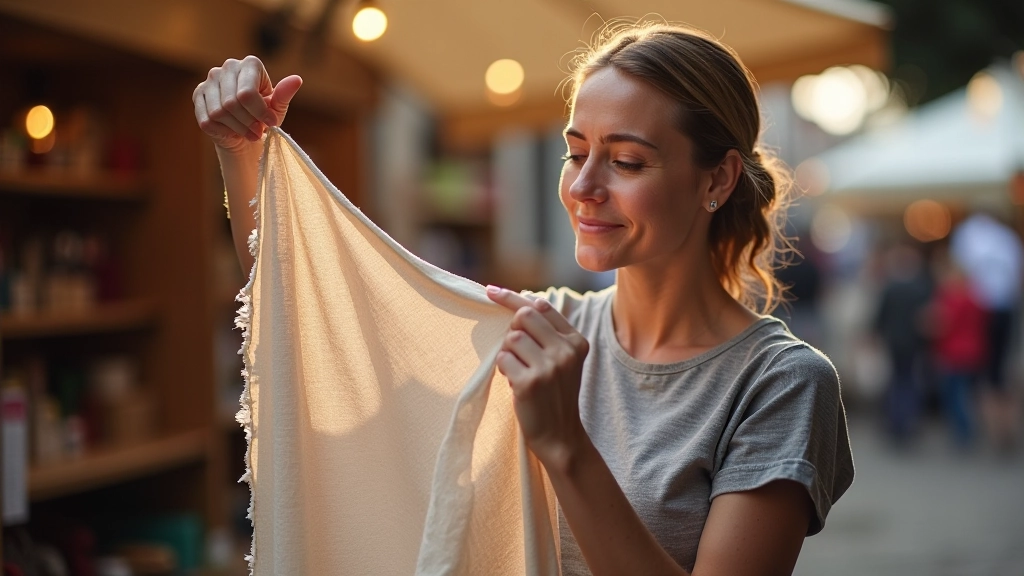
The test starts before you even unroll the bolt. Hold the fabric up to light — you'll immediately see thread density. Good quality fabric has a tight, even weave. If you can see through it or light passes through uneven patches, it's lower quality.
Feel the weight. Run it between your fingers. Quality cotton should feel substantial, not papery. Linen has a distinctive crisp texture that becomes obvious once you've handled a few pieces. Synthetics feel plasticky — which isn't always bad, but you'll know the difference.
Check for damage. Look along selvedges for colour bleeding, fading, or staining. Inspect corners and edges — that's where wear shows first. A small stain might come out with washing. A rip in the middle of the fabric? That's a consideration for patchwork or smaller projects only.
Ask the seller how long they've had it, where it came from, and if it's been washed. Someone clearing out their mother's sewing room usually remembers the fabric's history. That context helps you assess whether it'll handle your project.
Pricing and Negotiation Tactics
Car boot prices vary wildly. Vintage prints might be 50p a metre, while a bolt of quality linen could be £2–£4. Designer remnants sit anywhere from £1 to £5, depending on condition and seller confidence.
Here's the secret: most sellers don't price aggressively. They're clearing space, not running a fabric shop. If you're buying multiple pieces, ask for a bundle discount. Try "Would you do £8 for these three pieces?" instead of accepting individual prices. Most sellers will drop 20–30% off if you're taking several items.
Arrive early — the first hour has the best selection before serious buyers pick through stock. But come near closing time and you'll find desperate sellers willing to negotiate heavily just to pack up.
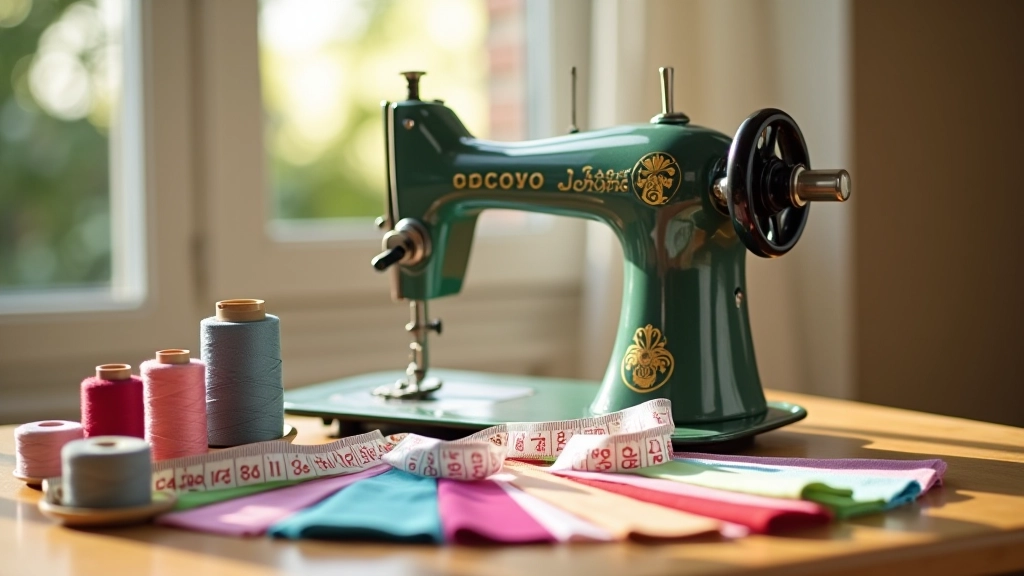
Bring cash in small notes. Sellers prefer it, and it makes negotiating easier. Always measure before you buy. Most stalls have tape measures, but bring your own to be sure. A metre of quality fabric is substantial — don't guess.

Building Your Fabric Stash
Don't buy randomly. Have a system. Keep a notebook of what you already own, or take phone photos of your stash. You'll avoid duplicates and you'll know exactly what gaps you're filling.
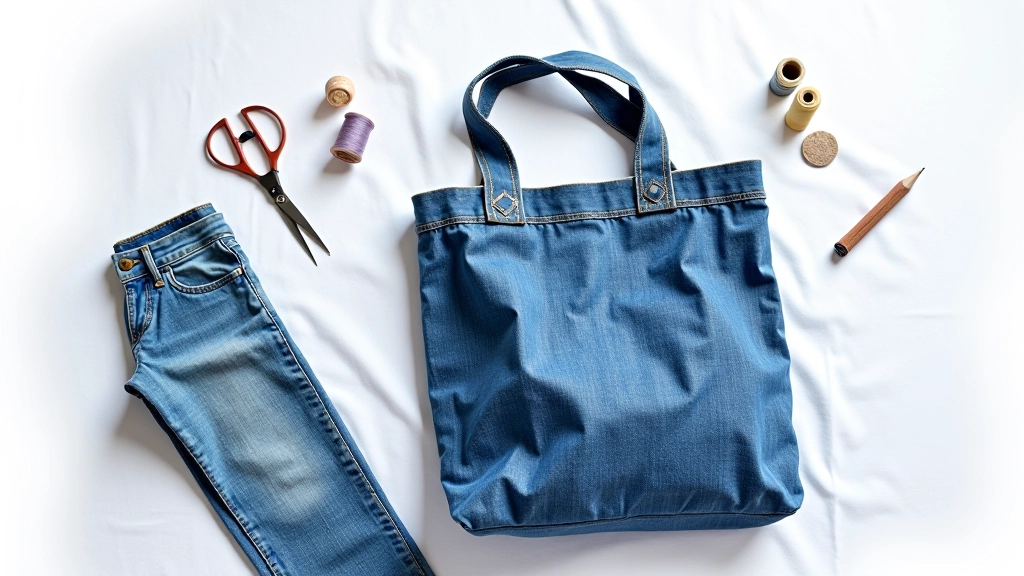
Think about your sewing goals. Building a collection for upcycling projects? Look for heavier weights — old bed linen, upholstery remnants, denim. Making quilts or home textiles? Hunt for quality cotton prints and coordinating neutrals. Creating wearables? Stick to lighter weights and drape-friendly fabrics.
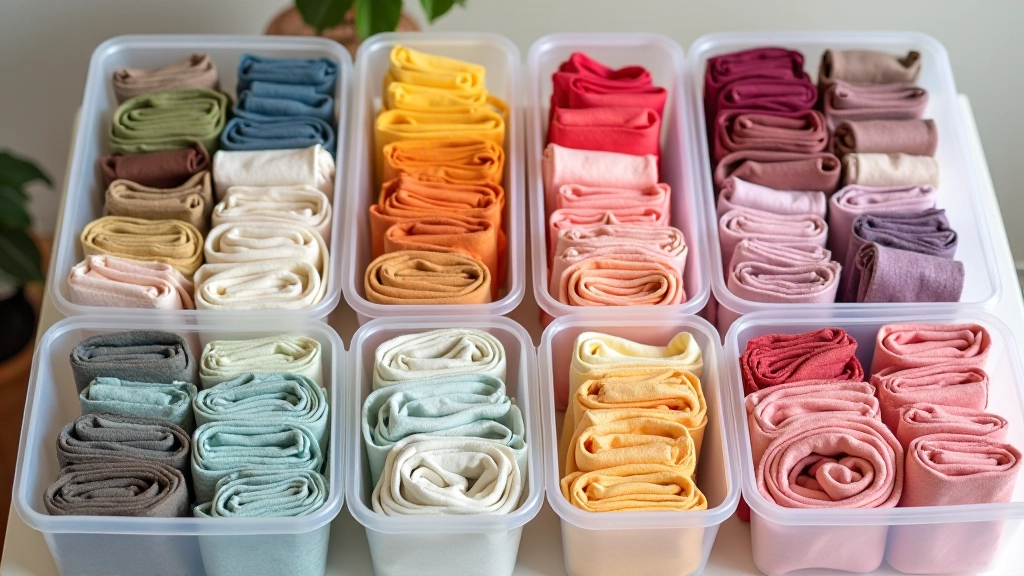
Storage matters. Acid-free tissue paper prevents creasing and keeps fabric in good condition. Clear plastic boxes let you see what you have without unfolding everything. Label by colour or fibre type — you'll thank yourself later.
Most importantly, buy what excites you. If you love a vintage print or the feel of a linen blend, it'll inspire projects you wouldn't have considered otherwise. The best fabric collection is one you'll actually use.
Start Your Hunt This Weekend
Car boots and markets aren't intimidating once you know what to look for. Armed with these techniques — inspecting quality, understanding pricing, negotiating confidently, and building strategically — you'll walk away with materials that'll fuel your sewing projects for months.
The best part? You'll discover fabrics you'd never find in shops. Vintage prints with real character, quality linens at bargain prices, and unexpected treasures that'll spark creativity. That's what makes car boot hunting worth the early mornings.
Continue Your Learning